

India is one of the leading sourcing destinations for home furnishing and textile products. Buyers from different parts of the world import products such as bed sheets, cushion covers, table linen, curtains, throws, kitchen textiles, and other home décor items from Indian manufacturers and exporters.
The country offers a wide variety of designs, fabrics, craftsmanship, and customization options. However, if you are importing from India for the first time, the process may seem complicated.
The good news is that importing home furnishing products can become much easier when you understand the basic steps involved. From finding the right supplier to approving samples and arranging shipping, proper planning can help you avoid common mistakes.
This guide explains how to import home furnishing products from India in simple, easy-to-understand steps.
1. Decide What Products You Want to Import
The first step is to clearly decide what products you want to source.
India produces a wide range of home furnishing products, including:
- Bed sheets and bed linen
- Duvet covers
- Pillow covers
- Cushion covers
- Curtains
- Tablecloths
- Table runners
- Kitchen towels
- Throws and blankets
- Other home textile products
Before contacting suppliers, try to prepare a clear list of your requirements.
For example, if you want to import bed sheets, you should think about:
- What fabric do you want?
- What sizes do you need?
- What colors or designs are suitable for your market?
- Do you need printed or plain products?
- What quality level are you looking for?
- How many pieces do you plan to order?
Having clear requirements will make communication with suppliers much easier.

2. Understand Your Target Market
Before selecting products, it is important to understand the customers you plan to sell to.
Different countries and markets may have different preferences.
For example, some customers may prefer:
- Neutral and minimal designs
- Bright colors and bold prints
- Natural fabrics
- Premium bedding
- Affordable everyday products
Climate can also influence product demand. Lightweight cotton products may be popular in warmer regions, while heavier blankets and throws may have stronger demand in colder markets.
Retailers should also consider local bed sizes and standard measurements. A Queen-size bed sheet in one country may have different measurements from a Queen-size product in another market.
Understanding your target market before placing an order can help you select products that are more likely to appeal to your customers.
3. Find a Reliable Home Furnishing Supplier in India
Finding the right supplier is one of the most important parts of the importing process.
Look for a supplier with experience in the products you want to buy. A company that regularly produces and exports home textiles may better understand the requirements of international buyers.
When evaluating a supplier, consider:
- Their product range
- Experience with exports
- Product quality
- Communication
- Customization options
- Production capabilities
- Ability to handle your order quantity
Do not choose a supplier based only on the lowest price.
A lower price may sometimes result in compromises in fabric quality, stitching, finishing, or packaging. It is better to look at the overall value the supplier can provide.
Good communication is also very important. Your supplier should clearly understand your requirements and answer your questions honestly.
4. Share Clear Product Specifications
Once you find a potential supplier, provide clear information about the products you need.
A detailed product specification can include:
- Product name
- Fabric composition
- Fabric quality
- Size and measurements
- Colors
- Prints or designs
- Stitching requirements
- Labels
- Packaging
- Quantity
For example, instead of simply asking for “cotton cushion covers,” provide details about the size, fabric, design, closure type, and packaging.
Clear specifications help reduce misunderstandings during production.
If you have reference images, design files, or samples, you can share them with the supplier. This can help both sides understand exactly what is expected.
The clearer the instructions are at the beginning, the smoother the production process is likely to be.
5. Request and Review Product Samples
Before placing a large order, it is usually a good idea to review samples.
A sample allows you to check the actual product instead of relying only on photographs or descriptions.
When reviewing a sample, check:
- Fabric quality
- Color accuracy
- Print quality
- Stitching
- Measurements
- Finishing
- Overall appearance
If you require a customized product, ask the supplier to develop a sample based on your specifications.
For example, you may want your own colors, prints, labels, or packaging.
Once you are satisfied with the sample, it can be used as a reference for bulk production.
Taking time to approve samples can help prevent expensive problems later.

6. Confirm Pricing and Order Details
After finalizing the product specifications and sample, you should clearly discuss the commercial details.
Important points include:
- Product price
- Order quantity
- Minimum order quantity
- Packaging costs
- Production timeline
- Payment terms
- Shipping terms
Make sure you understand exactly what is included in the quoted price.
For example, packaging, labels, or other customization may sometimes involve additional costs.
It is also important to discuss the shipping terms clearly. International trade uses different shipping arrangements, and buyers should understand their responsibilities before confirming an order.
Do not rush this stage. Make sure the important details are clearly agreed upon before bulk production begins.
7. Approve the Final Details Before Production
Before production starts, review all the final details carefully.
This may include confirming:
- Product specifications
- Sizes
- Colors
- Designs
- Labels
- Packaging
- Quantity
- Delivery timeline
This step is important because making changes after production has started can be difficult and expensive.
For customized products, it is especially important to make sure that every detail has been clearly approved.
A professional supplier should also confirm the agreed requirements before starting bulk production.
Keeping important specifications documented can help avoid misunderstandings.
8. Monitor Production and Quality
Quality control is an important part of importing home furnishing products.
For larger orders, buyers may want to stay updated about production progress.
Depending on the supplier and order, you may receive updates during different stages of production.
Before the goods are shipped, the final products should be checked for important factors such as:
- Correct measurements
- Fabric quality
- Stitching
- Colors
- Prints
- Finishing
- Packaging
Some buyers also choose to use an independent quality inspection service before shipment.
This can provide additional confidence, especially when placing a large order for the first time.
Good quality control helps reduce the risk of receiving products that do not meet your agreed specifications.
9. Arrange Shipping and Documentation
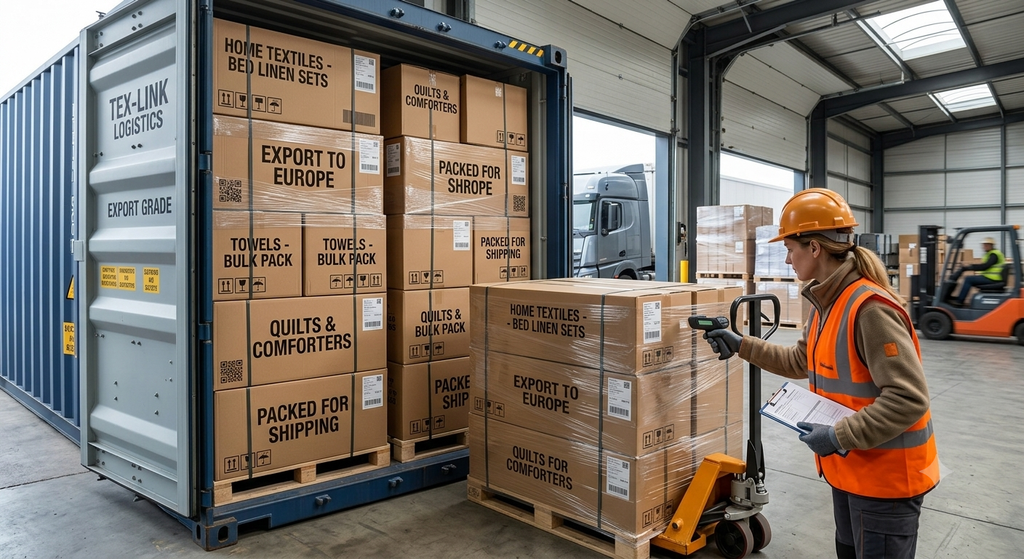
Once production is complete and the products are ready, the next step is shipping.
Home furnishing products can be transported internationally by:
Sea Freight
Sea freight is commonly used for larger shipments. It is generally suitable for bulk orders but usually takes longer.
Air Freight
Air freight is faster but can be more expensive. It may be suitable for smaller or urgent shipments.
Your supplier or freight forwarder can help you understand the available options.
You will also need to ensure that the required shipping and commercial documents are prepared correctly.
Depending on the shipment and destination country, documents may include commercial invoices, packing lists, shipping documents, and other required paperwork.
Import requirements can vary from country to country, so it is important to check the rules that apply in your destination market.
10. Understand Import Duties and Local Requirements
Before importing products, buyers should understand the taxes, duties, and regulations that apply in their own country.
Import costs can affect the final cost of your products.
Depending on your location and the products you are importing, you may need to consider:
- Import duties
- Taxes
- Customs clearance costs
- Product labeling requirements
- Packaging requirements
It is a good idea to speak with a customs broker, freight forwarder, or other qualified professional in your country before placing a large order.
They can help you understand the costs and requirements involved in importing goods into your market.
Planning these costs in advance can help you avoid unexpected expenses.
11. Build a Long-Term Relationship With Your Supplier
Finding a good supplier is not only about completing one order. A reliable supplier relationship can become valuable as your business grows.
Over time, a good supplier may better understand:
- Your product preferences
- Your quality expectations
- Your target market
- Your packaging requirements
- Your repeat order needs
Long-term relationships can also make future product development easier.
For example, you may want to introduce new colors, seasonal designs, or customized collections. A supplier who already understands your business can often make this process smoother.
Trust, clear communication, and consistency are important for building a successful long-term sourcing relationship.
Common Mistakes to Avoid When Importing From India
Importing home furnishing products can be a smooth process, but buyers should avoid a few common mistakes.
Choosing Only Based on the Lowest Price
The cheapest product is not always the best value. Always consider quality and reliability.
Placing a Large Order Without Reviewing Samples
Samples can help you identify potential problems before bulk production.
Providing Unclear Product Requirements
The supplier cannot always guess what you want. Clear specifications are essential.
Ignoring Shipping and Import Costs
Always calculate the total cost of importing, not just the product price.
Not Checking Quality Before Shipment
Quality checks can help reduce the risk of receiving incorrect or defective products.
Not Understanding Local Import Requirements
Different countries have different rules, so always check the requirements for your destination.
Conclusion
Importing home furnishing products from India can offer excellent opportunities for retailers, wholesalers, importers, and home décor brands.
The key is to follow a well-planned process. Start by understanding your product and market requirements, find a reliable supplier, share clear specifications, review samples, and confirm all important details before production begins.
Quality control and proper shipping arrangements are also important parts of the process. Buyers should understand their local import requirements and plan their costs carefully.
India offers a wide range of home textile products and customization possibilities. By working with a reliable supplier and maintaining clear communication, international buyers can build a smooth and successful sourcing process.
Looking to import home furnishing products from India? Abhishek Exports works with international buyers looking for quality home textiles and customized home furnishing products. Contact us to discuss your product requirements and sourcing needs.