
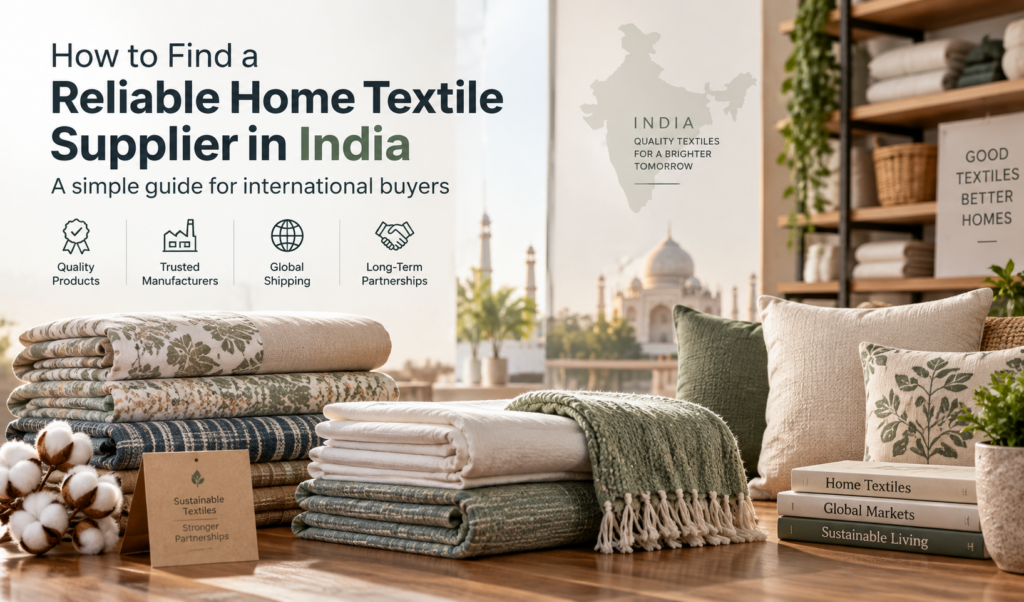
Finding the right home textile supplier is an important decision for retailers, importers, wholesalers, and brands. A good supplier can help you maintain consistent product quality, meet delivery schedules, and build a successful long-term business relationship. On the other hand, choosing the wrong supplier can lead to quality problems, delayed shipments, communication issues, and unnecessary costs.
India is one of the world’s major sourcing destinations for home textiles. The country offers a wide range of products, including bed linen, cushion covers, table linen, curtains, throws, and other home furnishing items. However, with so many manufacturers and exporters available, finding the right supplier requires careful research.
Here are some important steps that can help you find a reliable home textile supplier in India.
1. Clearly Understand Your Product Requirements
Before you start searching for a supplier, it is important to know exactly what you need.
For example, you should have clarity about:
- Product type
- Fabric and material
- Sizes
- Colors and designs
- Quality requirements
- Packaging requirements
- Order quantity
- Target price range
If you are looking for bed sheets, simply asking for “cotton bed sheets” may not be enough. You may need to specify the fabric composition, size, weave, design, and packaging requirements.
The more clearly you communicate your requirements, the easier it will be for a supplier to understand your expectations and provide suitable products.
2. Look for Suppliers With Relevant Product Experience

Not every textile manufacturer specializes in the same products.
Some companies may focus mainly on bed linen, while others may have more experience with cushion covers, table linen, curtains, or other home furnishing products.
Before choosing a supplier, check whether they have experience producing the products you want to source.
You can ask questions such as:
- What home textile products do you manufacture?
- Which products do you export regularly?
- Can you produce customized products?
- Do you have experience working with international buyers?
A supplier with relevant experience is more likely to understand the product requirements, quality expectations, and common challenges involved in producing that type of product.
3. Check Product Quality Carefully
Product quality should be one of the most important factors when selecting a supplier.
Before placing a large order, ask for product samples whenever possible. Samples allow you to check important details such as:
- Fabric quality
- Stitching
- Color and print quality
- Finishing
- Product feel
- Packaging
It is also important to understand how the supplier manages quality during production.
A reliable supplier should have a process for checking products before shipment. This helps reduce the chances of receiving products with avoidable defects.
Remember that quality is not only about the fabric. Details such as stitching, measurements, finishing, labels, and packaging can also affect the final product.
4. Ask for Samples Before Placing a Bulk Order
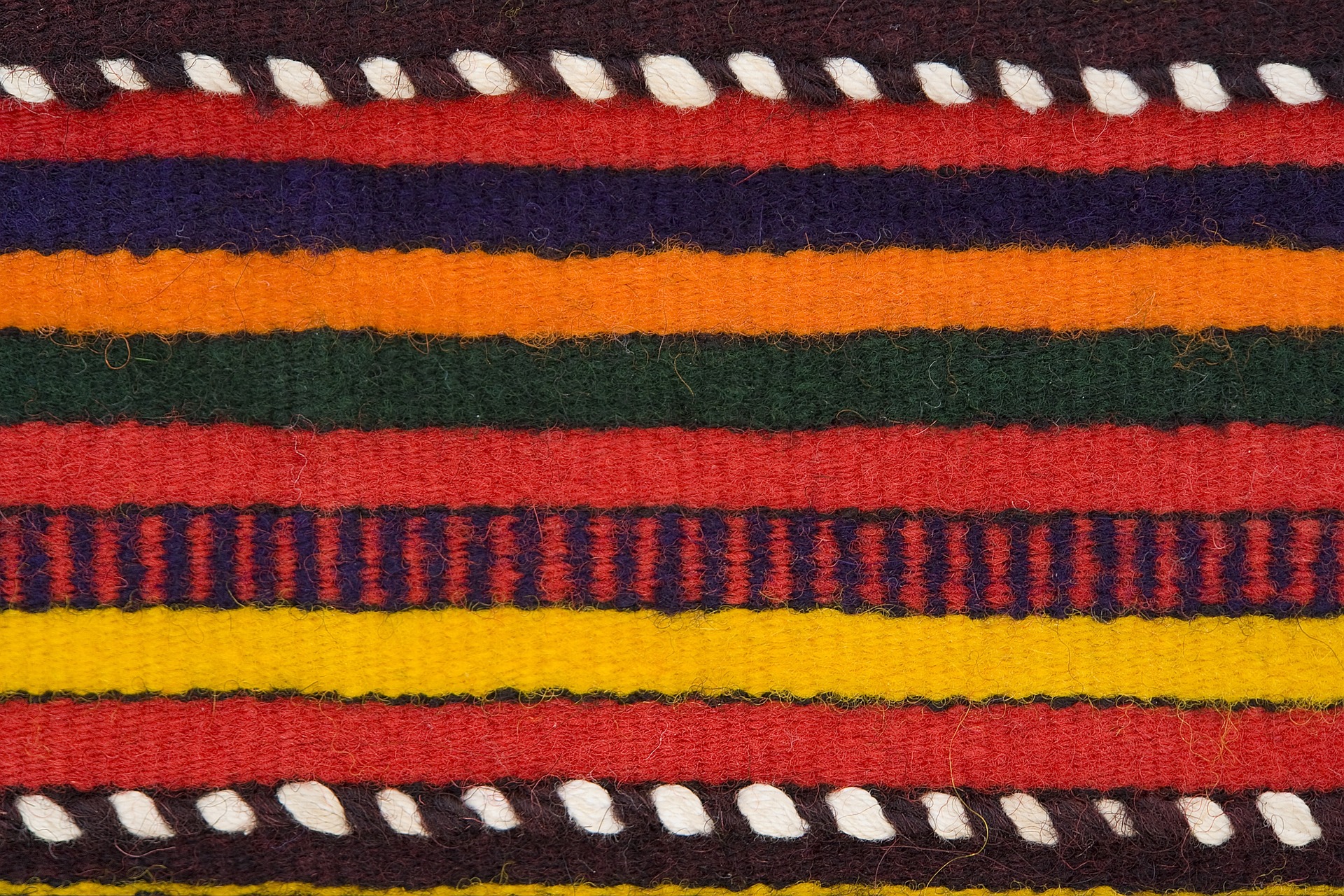
Samples are one of the best ways to evaluate a potential supplier.
A product may look good in photographs or online catalogs, but seeing and feeling the actual product can give you a much better understanding of its quality.
When reviewing samples, check whether they match your requirements for:
- Material
- Size
- Color
- Construction
- Stitching
- Finishing
If you require customized products, make sure the sample reflects your agreed specifications as closely as possible.
For larger orders, sample approval before bulk production can help avoid costly mistakes.
A good supplier should understand the importance of this process and communicate clearly about any changes or limitations.
5. Evaluate Communication and Responsiveness
Good communication is extremely important when sourcing products internationally.
You may be working with a supplier located thousands of kilometers away. Because of this, clear and timely communication can make a big difference.
Pay attention to how the supplier responds to your questions.
A reliable supplier should:
- Reply within a reasonable time
- Answer questions clearly
- Understand your requirements
- Be honest about production capabilities
- Inform you about possible challenges
Be cautious if a supplier gives unclear answers or promises everything without properly understanding your requirements.
A professional supplier should be realistic and transparent.
For example, if a particular fabric or design requires additional production time, it is better for the supplier to explain this clearly rather than make unrealistic promises.
6. Understand the Supplier’s Manufacturing Capabilities
Before choosing a supplier, try to understand their manufacturing capabilities.
Important questions may include:
- What products can they manufacture?
- What order quantities can they handle?
- Can they manage customized orders?
- What is their typical production timeline?
- Can they handle repeat orders consistently?
The right supplier for a small boutique may not be the right supplier for a large retail chain.
Your supplier should have the ability to meet your current requirements and ideally support your business as it grows.
However, bigger is not always better. A smaller or medium-sized manufacturer may sometimes provide better flexibility and more personal attention, especially for customized collections.
The key is to find a supplier whose capabilities match your business needs.
7. Check Customization and Private Label Options
Many retailers and brands do not want to sell exactly the same products as everyone else.
They may need:
- Custom colors
- Custom prints
- Custom sizes
- Brand labels
- Custom packaging
- Private-label products
If customization is important for your business, discuss it early in the sourcing process.
Ask the supplier what customization options are available and whether there are minimum order requirements.
For example, a supplier may be able to produce custom packaging but require a certain quantity for each design.
Clear discussions at the beginning can help you understand what is possible and avoid surprises later.
8. Discuss Pricing, Minimum Order Quantity, and Payment Terms
Price is important, but it should not be the only factor when selecting a supplier.
A very low price may sometimes mean compromises in fabric quality, finishing, or production standards.
Instead of simply choosing the cheapest quotation, compare suppliers based on overall value.
Consider:
- Product quality
- Price
- Customization options
- Minimum order quantity
- Packaging
- Production timelines
It is also important to clearly understand the payment terms and other commercial details before placing an order.
Make sure both sides have a clear understanding of the agreed product specifications and business terms.
9. Check Production Timelines and Delivery Reliability
For retailers and importers, timing can be extremely important.
Late deliveries can cause problems with:
- Seasonal collections
- Retail launches
- Inventory planning
- Customer commitments
Before placing an order, discuss the expected production timeline with the supplier.
Ask about:
- Sample development time
- Bulk production time
- Order processing
- Packaging and shipment preparation
Keep in mind that production timelines can vary depending on the product, order size, and level of customization.
A reliable supplier should provide realistic timelines and keep you informed about the progress of your order.
10. Look for a Long-Term Business Partner
The best supplier relationship is usually more than a one-time transaction.
As your business grows, having a reliable supplier who understands your products and requirements can make sourcing easier.
A good long-term supplier relationship can help with:
- Better communication
- Consistent quality
- Easier repeat orders
- Product development
- Future customization
When evaluating suppliers, think about whether you can see yourself working with them in the future.
Do they understand your business? Are they interested in building a professional relationship? Do they communicate openly?
Trust and consistency are important parts of successful international sourcing.
Common Mistakes to Avoid When Choosing a Supplier
When sourcing home textiles from India, try to avoid these common mistakes.
Choosing Only Based on the Lowest Price
The cheapest option is not always the best option. Consider the overall value and quality.
Placing a Large Order Without Samples
Whenever possible, review samples before approving bulk production.
Not Providing Clear Product Specifications
Unclear requirements can lead to misunderstandings.
Ignoring Communication Quality
Poor communication during the early stages can become a bigger problem once production begins.
Not Discussing Timelines Properly
Always understand the expected production schedule before making commitments to your customers.
Conclusion
Finding a reliable home textile supplier in India requires research, clear communication, and careful evaluation.
The right supplier should understand your product requirements, maintain consistent quality, communicate clearly, and have the ability to meet your production needs.
Before placing a large order, take the time to review samples, discuss specifications, understand production timelines, and evaluate the supplier’s experience.
India offers many opportunities for retailers, importers, wholesalers, and brands looking to source home furnishing and textile products. By choosing the right manufacturing and export partner, businesses can build a stronger and more reliable supply chain.
Looking for a reliable home textile supplier from India? Abhishek Exports works with international buyers looking for home furnishing and textile products based on their specific requirements. Contact us to discuss your sourcing needs.