
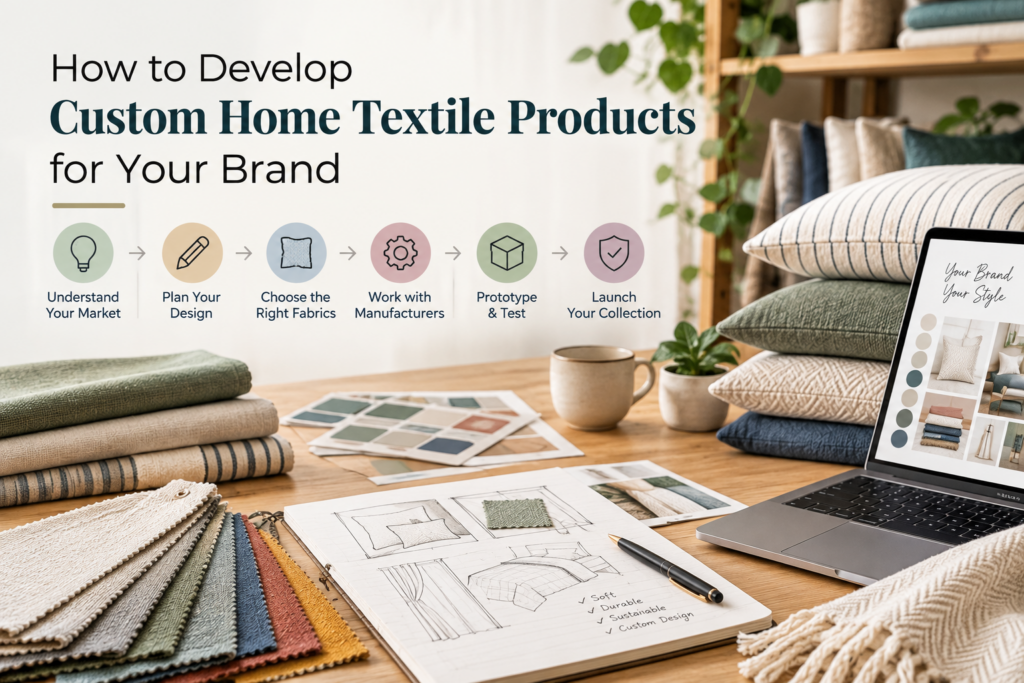
For many home décor brands and retailers, selling standard products is no longer enough. Customers are looking for designs, colors, and styles that feel different and match the identity of a particular brand.
This is where custom home textile products can make a difference.
Custom products allow businesses to create their own collection instead of simply choosing products from a ready-made catalog. A brand can select the fabric, size, color, print, finishing, labels, and packaging according to its requirements.
However, developing a custom home textile product requires good planning. A small mistake in fabric selection, measurements, color, or finishing can affect the final product.
Whether you are a retailer, wholesaler, importer, or private-label brand, understanding the product development process can help you work more effectively with your manufacturer.
In this guide, we explain the main steps involved in developing custom home textile products.
1. Start With a Clear Product Idea
Every custom product starts with an idea.
Before contacting a manufacturer, try to define what you want to create.
For example, you may want to develop:
- Cushion covers
- Bed sheets
- Duvet covers
- Curtains
- Table runners
- Tablecloths
- Kitchen towels
- Throws
- Other home furnishing products
Think about how the product will be used and who will buy it.
A premium home décor brand may want a luxury cushion collection, while a retailer selling affordable home products may need simple and practical designs.
Having a clear idea at the beginning makes the development process much easier.
2. Understand Your Target Customer
Before selecting fabric or colors, think about your customer.
Ask yourself:
Who is going to buy this product?
Your answer can influence almost every part of product development.
For example, younger customers may prefer modern prints and colors, while customers looking for premium home décor may prefer natural fabrics and subtle designs.
You should also consider:
- Customer lifestyle
- Climate
- Home décor preferences
- Expected price range
- Product usage
- Maintenance expectations
A product designed for everyday use may need different materials and construction compared with a decorative product.
Understanding your target customer helps you create a product that has a better chance of succeeding in your market.
3. Choose the Right Fabric
Fabric selection is one of the most important decisions in custom home textile development.
Different fabrics provide different looks, feels, and performance.
Common options include:
- Cotton
- Linen
- Organic cotton
- Polyester
- Cotton blends
- Recycled materials
- Other natural fibers
For example, cotton may be suitable for comfortable everyday products, while linen can create a natural and premium appearance.
Polyester may be considered when durability and easy maintenance are important.
The right choice depends on your product and target market.
It is also important to discuss fabric specifications with your manufacturer. Terms such as fabric weight, construction, finish, and composition can affect the final product.
If you are unsure which fabric to use, ask your manufacturer to provide different samples so you can compare them.
4. Finalize the Size and Measurements
Measurements may seem simple, but incorrect sizing can create serious problems.
Before production begins, clearly specify:
- Product length
- Product width
- Thickness where relevant
- Finished measurements
- Seam allowance
- Other construction details
For example, if you are developing cushion covers, specify the exact finished size rather than simply saying “medium cushion cover.”
Similarly, bed linen requires accurate measurements because sizes can vary between countries and markets.
If you are selling internationally, make sure the dimensions match the standards and expectations of your target market.
It is always better to finalize measurements before sample production rather than making major changes during bulk production.
5. Select Colors and Designs Carefully
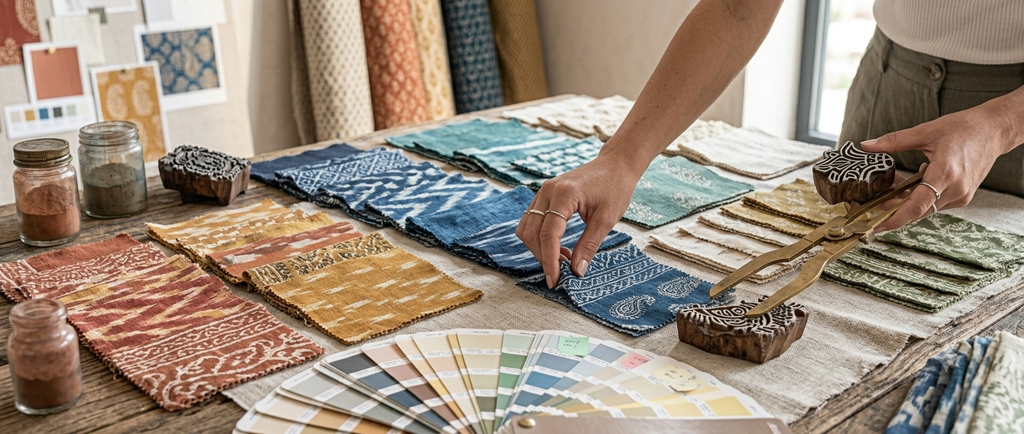
Colors and designs play a major role in home furnishing products.
A product may have excellent fabric and construction, but the wrong color or print can make it less attractive to your target customers.
When selecting colors, consider:
- Current market preferences
- Your brand identity
- Existing product collections
- Target customer
- Season
- Interior design styles
If you already have a brand color palette, share it with your manufacturer.
For customized colors, you may also need to provide a physical color reference or an appropriate standardized color reference so that the manufacturer understands your expectations.
Remember that colors can look different on a computer or phone screen compared with actual fabric.
This is another reason why physical samples are important.
6. Develop the First Sample
Once the main specifications have been discussed, the manufacturer can develop a sample.
The first sample is an important stage because it allows you to see your idea as a physical product.
When you receive the sample, check:
- Fabric
- Color
- Size
- Design
- Stitching
- Finishing
- Overall appearance
Do not focus only on how the product looks.
Touch the fabric and check whether it feels suitable for its intended use.
For example, a decorative cushion may require a different fabric feel than a pillowcase that comes into direct contact with the skin.
If changes are required, provide clear feedback to the manufacturer.
7. Make Improvements Before Bulk Production
It is normal for a custom product to go through changes before it is finalized.
You may decide that:
- The fabric should be heavier
- The color needs adjustment
- The product needs a different size
- The stitching needs improvement
- The print needs modification
- The packaging needs to change
This is why sample development is so important.
It is much easier and less expensive to make changes to a sample than to discover problems after thousands of pieces have been manufactured.
Try to finalize all major details before giving approval for bulk production.
8. Decide on Labels and Branding
If you are developing products for your own brand, branding should be planned from the beginning.
Depending on your product, you may require:
- Brand labels
- Care labels
- Size labels
- Product tags
- Logo embroidery
- Printed branding
- Barcodes
Discuss these requirements with your manufacturer before production.
For example, a private-label bedding collection may need the brand name woven into the label, care instructions attached to the product, and branded packaging.
Make sure the label information is correct before production starts.
9. Plan Your Packaging
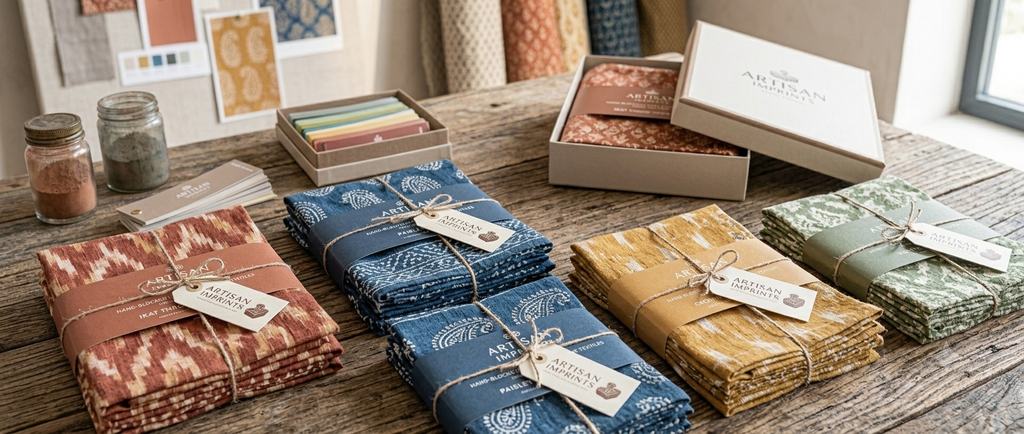
Packaging is another important part of a custom product.
The packaging should protect the product while also presenting it properly to your customer.
Depending on the product and market, you may choose:
- Individual bags
- Boxes
- Paper packaging
- Printed packaging
- Product cards
- Branded tags
If your products are being shipped internationally, the packaging should also be suitable for transportation.
Discuss your packaging requirements with the manufacturer early in the development process.
Changing packaging at the last minute can affect both cost and production time.
10. Confirm the Final Product Specifications
Before approving bulk production, create a final specification for the product.
This should include all important details such as:
- Product name
- Fabric
- Fabric composition
- Size
- Color
- Design
- Stitching
- Finishing
- Labels
- Packaging
- Quantity
Having everything clearly documented gives both the buyer and manufacturer the same reference.
This can be particularly helpful when you place repeat orders months later.
Instead of explaining the product from the beginning again, you can refer to the approved specifications.
11. Understand Minimum Order Quantities
Custom products may have different minimum order quantities compared with standard products.
This can depend on:
- Fabric
- Color
- Printing
- Dyeing
- Embroidery
- Packaging
- Product construction
For example, creating a completely new printed fabric may require a higher quantity than using an existing fabric.
If you are a small or growing brand, discuss MOQ requirements with your manufacturer before investing too much time in product development.
A good manufacturer should explain the requirements clearly.
12. Discuss Quality Control
Once the product is approved, quality control becomes very important.
The bulk production should match the approved sample and agreed specifications.
Quality checks can include:
- Fabric quality
- Color
- Measurements
- Stitching
- Print quality
- Finishing
- Labels
- Packaging
For larger orders, buyers may also choose to arrange an inspection before shipment.
The goal is simple: the products you receive should meet the quality level you approved.
A good quality control process can help identify problems before the products leave the factory.
13. Plan Production and Delivery
Custom products can take more time than standard products because they may require additional development.
The overall process can include:
Product idea → Fabric selection → Design → Sample → Changes → Final approval → Bulk production → Quality check → Packaging → Shipment
Discuss the expected timeline with your manufacturer before placing the order.
If you are developing products for a specific season, allow enough time for sample development and possible changes.
For example, if you want to launch a new summer collection, do not wait until the beginning of summer to start product development.
Planning ahead gives you more time to handle unexpected delays.
14. Build a Long-Term Relationship With Your Manufacturer
Custom product development becomes easier when you work with a manufacturer who understands your brand.
After completing several orders, your manufacturer may already understand your:
- Preferred fabrics
- Quality standards
- Colors
- Sizes
- Packaging
- Labels
- Product style
This can make future product development faster and more efficient.
A good long-term manufacturing relationship can also make it easier to introduce new products and expand your collection.
Common Mistakes to Avoid
Starting Production Without a Proper Sample
Always review and approve the product before bulk production.
Giving Unclear Specifications
Small details can make a big difference. Provide clear product requirements.
Choosing Fabric Only by Price
The cheapest fabric may not provide the quality your customers expect.
Ignoring Packaging
Packaging should be considered part of the product development process.
Making Changes After Production Starts
Try to finalize important details before bulk production begins.
Not Considering Your Target Market
A product should be designed around the needs and preferences of the customers who will buy it.
Final Checklist for Custom Home Textile Development
Before approving your product for bulk production, check:
✓ Product design
✓ Fabric
✓ Fabric composition
✓ Size and measurements
✓ Colors
✓ Prints
✓ Stitching
✓ Finishing
✓ Labels
✓ Packaging
✓ Sample approval
✓ Quality standards
✓ Quantity
✓ Production timeline
If all of these points are clearly agreed upon, the production process is likely to be much smoother.
Conclusion
Developing custom home textile products can help retailers, importers, wholesalers, and private-label brands create collections that are different from standard market offerings.
However, successful product development requires careful planning.
Start with a clear product idea, understand your target customer, select the right fabric, finalize measurements and colors, develop samples, make necessary improvements, and clearly communicate your requirements to the manufacturer.
Do not rush the sample stage. A few extra checks before production can save significant time and money later.
Most importantly, work with a manufacturer that understands customization and is willing to communicate clearly throughout the development process.
With the right planning and manufacturing partner, your product idea can be developed into a home textile collection that matches your brand and meets the expectations of your customers.
Looking to develop custom or private-label home textile products in India? Abhishek Exports works with international buyers to develop and supply home furnishing and textile products according to their design, fabric, quality, and branding requirements. Contact us to discuss your product idea.