
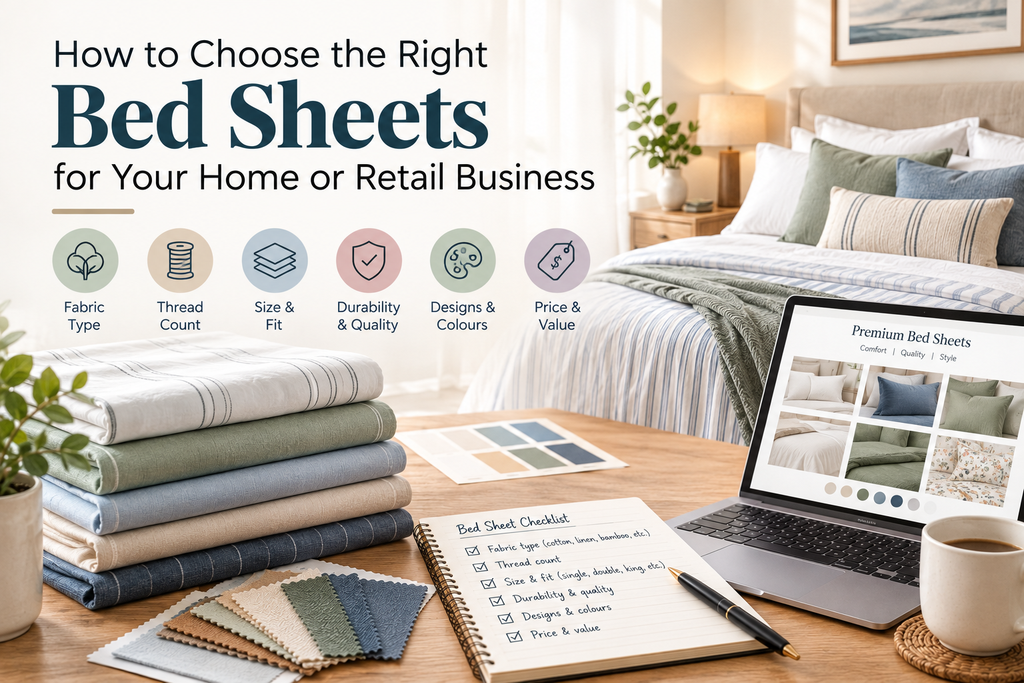
Bed sheets are an important part of every bedroom. They affect not only the appearance of a bed but also comfort, sleep quality, and the overall customer experience. Whether you are buying bed sheets for your home or sourcing them for a retail business, hotel, or other commercial purpose, choosing the right product requires more than simply selecting an attractive color or design
Today, buyers have many options when it comes to fabrics, sizes, weaves, colors, and finishes. A bed sheet that works well for one customer may not be the right choice for another. For example, a family may prefer soft and easy-to-maintain cotton sheets, while a premium retailer may look for luxury fabrics and better finishing.
For businesses, the decision is even more important. Retailers and importers need to consider product quality, customer preferences, pricing, durability, and market demand before selecting a collection.
In this guide, we will explore the most important factors to consider when choosing bed sheets, helping both individual buyers and businesses make better decisions.
1. Start by Choosing the Right Fabric
The fabric is one of the most important things to consider when buying bed sheets. It affects how the sheet feels, how long it lasts, how easy it is to maintain, and how suitable it is for different climates.
Cotton
Cotton is one of the most popular materials used for bed sheets around the world. It is soft, breathable, comfortable, and suitable for regular use.
Cotton bed sheets are available in different qualities and constructions. Depending on the type of cotton and weave, they can feel light and crisp or soft and smooth
Cotton is popular because it:
- Feels comfortable against the skin
- Allows good airflow
- Is suitable for many climates
- Is easy to wash and maintain
- Can be used for different designs and colors
For everyday use, good-quality cotton remains a reliable choice for many homes and retail markets
Linen
Linen is known for its natural appearance and textured feel. It is often associated with premium and relaxed home interiors.
Linen can be a good choice for customers who prefer natural materials and a more casual, sophisticated look. Its natural texture gives it a different appearance from smooth cotton sheets.
Linen bed sheets are particularly popular among consumers looking for:
- Natural materials
- Premium home textiles
- Breathable fabrics
- A relaxed and stylish bedroom look
However, linen may require more care and can have a different feel compared to traditional cotton sheets.
Cotton Blends
Some bed sheets are made using a blend of cotton and other fibers. These products can offer benefits such as easier maintenance, improved wrinkle resistance, or lower pricing.
For example, cotton blended with polyester may be suitable for customers looking for practical and easy-care bedding.
When selecting blended fabrics, buyers should consider the expectations of their target customer. Some customers may prefer 100% natural fabrics, while others may value convenience and easy maintenance
2. Understand the Importance of Thread Count
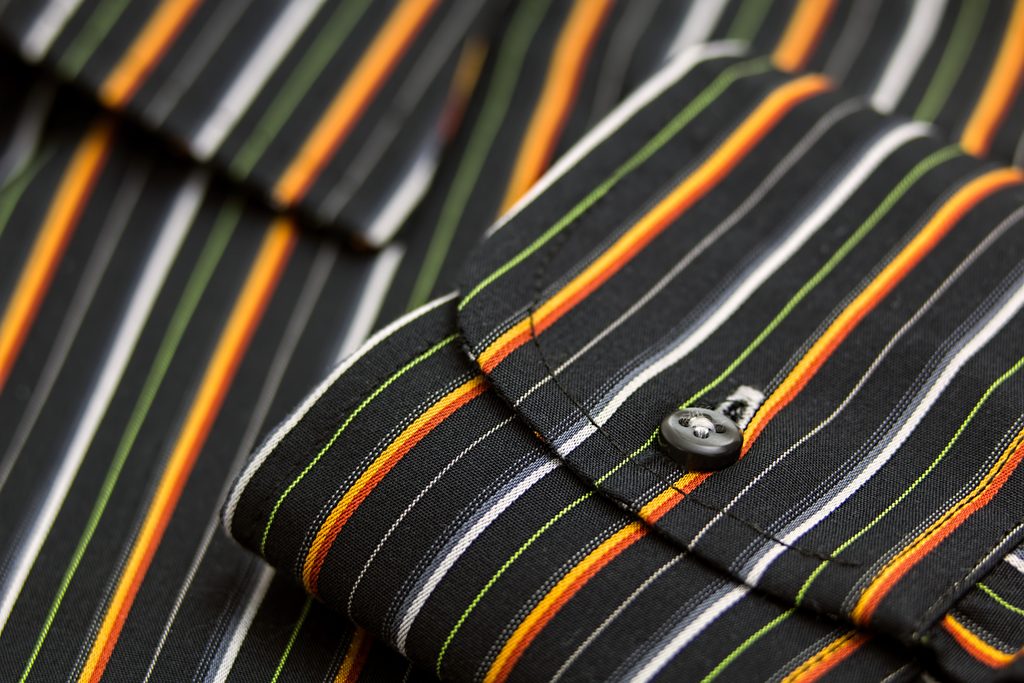
Thread count is a term that many people associate with bed sheet quality. However, it should not be the only factor used to judge a bed sheet.
In simple terms, thread count refers to the number of threads used within a specific area of fabric. While thread count can affect the feel and construction of a sheet, a higher number does not automatically mean better quality.
Other factors are equally important, including:
- The quality of the yarn
- The type of cotton or fiber used
- The fabric weave
- The finishing process
- The overall construction of the fabric
For example, a well-made cotton bed sheet with good-quality yarn can feel more comfortable and durable than a poorly made sheet that simply claims to have a very high thread count.
For retailers and importers, it is important to look at the complete product specification instead of focusing only on one number.
3. Choose the Right Bed Sheet Size
Choosing the correct size is essential for both comfort and appearance. A bed sheet that is too small may not fit properly, while an oversized sheet may look untidy.
Common bed sizes include:
- Single
- Double
- Queen
- King
- Super King
However, bed dimensions can vary between countries and markets. This is especially important for international buyers and retailers.
Before placing a bulk order, buyers should clearly confirm:
- Mattress width
- Mattress length
- Mattress depth
- Fitted sheet pocket depth
- Pillowcase sizes
For example, a fitted sheet designed for a deep mattress may not fit properly on a standard mattress.
International retailers should always provide suppliers with the correct measurements required for their target market.
4. Flat Sheets vs Fitted Sheets
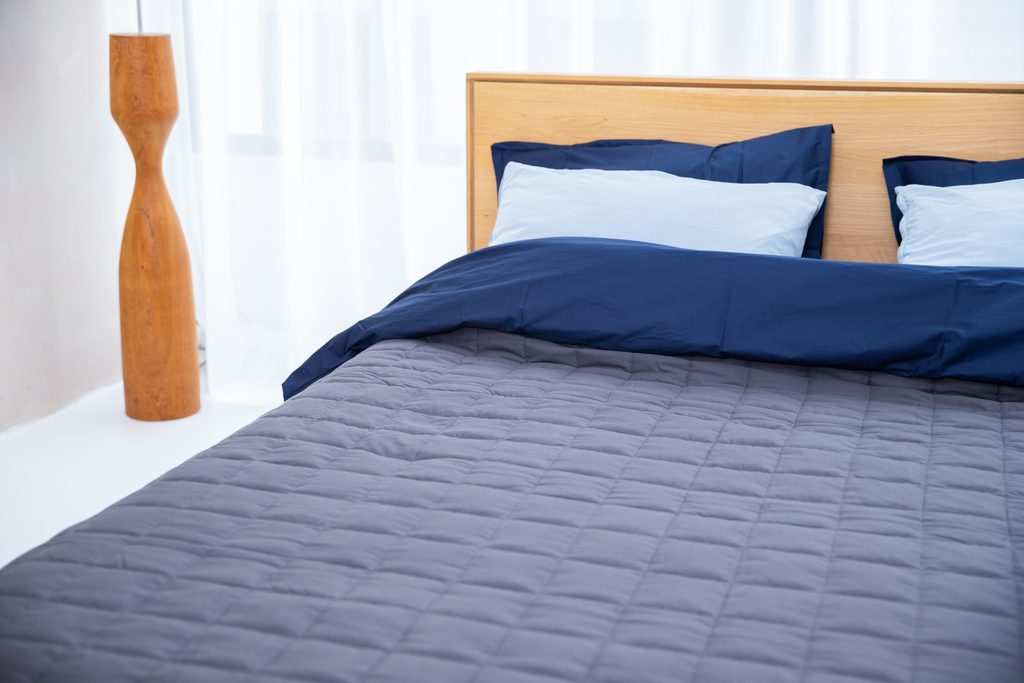
Bed sheets are generally available in two main styles: flat sheets and fitted sheets.
Flat Sheets
A flat sheet is a simple rectangular piece of fabric that can be placed over the mattress or used as a top sheet.
Flat sheets are flexible and can be used on different mattress types. They are also easier to fold and store.
Fitted Sheets
A fitted sheet has elastic corners designed to fit securely around a mattress.
Many consumers prefer fitted sheets because they stay in place and create a neat appearance.
For businesses, offering both options can help meet the needs of different customers and markets.
When sourcing fitted sheets, it is particularly important to confirm the mattress dimensions and pocket depth
5. Consider the Fabric Weave
The weave of a fabric can change how a bed sheet feels and looks.
Two sheets made from the same material may feel very different because of the way the fabric has been woven.
Percale
Percale is often known for its crisp and smooth feel. It can be a good option for customers who prefer lightweight and breathable bedding.
Sateen
Sateen generally has a smoother and softer surface with a more luxurious appearance.
It may appeal to customers looking for a soft and premium bedroom experience.
The right weave depends on the target customer. Some people prefer crisp and fresh-feeling sheets, while others prefer a smoother and softer finish.
For retailers, offering different fabric constructions can help create product options for different customer preferences and price ranges.
6. Think About Comfort and Climate
The climate of the target market can play an important role when choosing bed sheets.
In warmer regions, customers may prefer lightweight and breathable fabrics that help create a comfortable sleeping environment.
In cooler regions, customers may prefer heavier or warmer bedding products.
For example:
- Lightweight cotton can work well in warmer climates.
- Linen can be popular for its breathable and natural feel.
- Heavier bedding products may be preferred in colder seasons.
Retailers selling internationally should consider local climate conditions when developing their product collections.
A product that performs well in one country may not necessarily have the same demand in another market.
7. Choose Colors and Designs Carefully
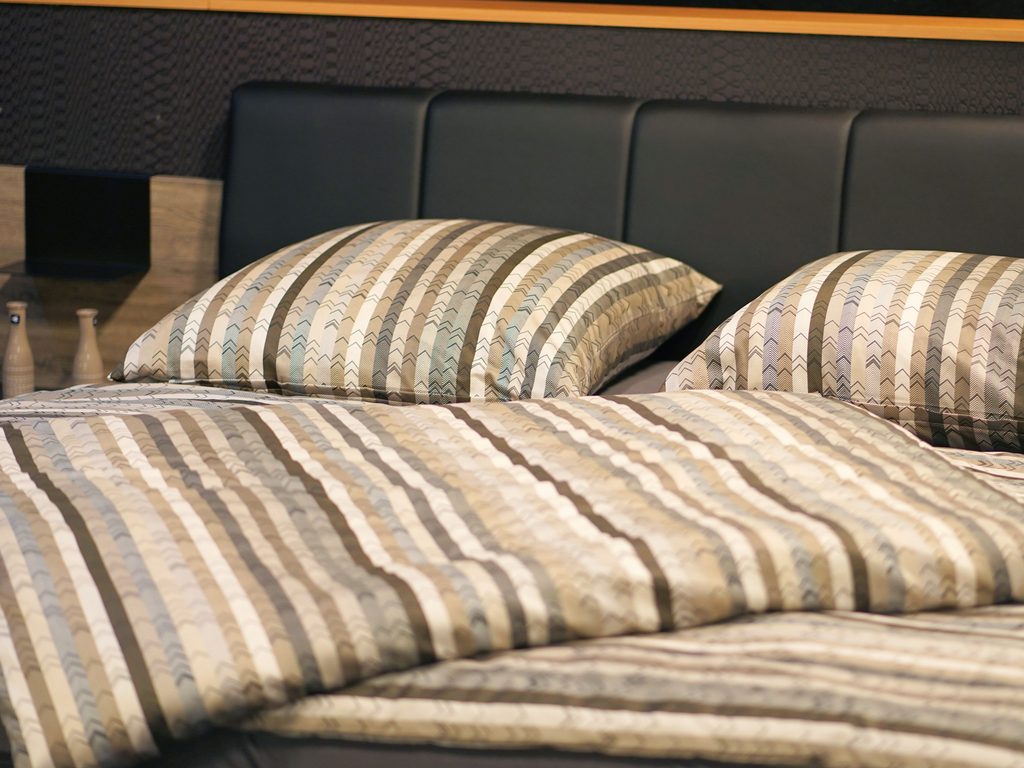
The design of a bed sheet plays a major role in a customer’s buying decision.
Popular options include:
- Solid colors
- Floral designs
- Geometric patterns
- Stripes
- Printed designs
- Minimalist patterns
Neutral colors such as white, beige, grey, and soft natural shades are often versatile because they can match different bedroom styles.
At the same time, printed and colorful collections can attract customers looking for more decorative options.
For retailers, it can be useful to create a balanced collection that includes both:
Timeless designs
These may include neutral colors, simple patterns, and classic styles.
Trend-focused designs
These may include seasonal colors, new prints, and changing interior trends.
A balanced collection can help retailers appeal to a wider range of customers.
8. Check the Quality of Stitching and Finishing
Good fabric is important, but the finishing of the product also matters.
Buyers should inspect:
- Stitching quality
- Hem finishing
- Fabric consistency
- Print quality
- Color consistency
- Overall appearance
Loose threads, uneven stitching, or poor finishing can affect how customers view the product.
For premium bed linen, details become even more important. Clean stitching and neat finishing can improve the overall appearance and perceived value of the product.
For retailers and importers, quality checks should be completed before large orders are shipped.
A sample approval process can also help ensure that the final bulk order meets the agreed requirements.
9. Consider Durability and Easy Maintenance

Most customers expect bed sheets to be washed regularly. Therefore, a good bed sheet should be designed for practical everyday use.
Important factors include:
- Color durability
- Fabric strength
- Resistance to regular washing
- Ease of maintenance
- Overall product life
For example, a beautiful bed sheet may lose its value if its color fades quickly after washing.
Easy-care products can be particularly attractive to busy households and commercial buyers.
Hotels, hospitality businesses, and other high-use environments may also place greater importance on durability because products are washed frequently.
For retail businesses, offering durable and easy-to-maintain products can help improve customer satisfaction and reduce complaints.
10. Look for the Right Balance Between Quality and Price
Price is always an important factor, especially for retailers and bulk buyers. However, choosing the cheapest product is not always the best long-term decision.
A very low-priced bed sheet may use lower-quality materials or have poor construction. This can lead to customer dissatisfaction and damage a retailer’s reputation.
Instead, buyers should look for the right balance between:
- Fabric quality
- Product design
- Durability
- Customer expectations
- Price
For example, a budget retail collection may require affordable and practical products, while a premium brand may focus more on fabric quality, finishing, and presentation.
The right product depends on the target market and customer.
11. Choosing Bed Sheets for a Retail Business
Retail buyers need to consider additional factors beyond personal comfort and appearance.
Before sourcing bed sheets for a retail business, it is important to understand:
Who is the target customer?
Are you selling to budget-conscious customers, families, premium buyers, or luxury home décor customers?
The answer will influence the type of fabric, design, packaging, and price range you choose.
What price range will the products be sold in?
Your product cost needs to support your business pricing strategy.
A retailer should consider not only the purchase price but also:
- Shipping costs
- Import costs
- Packaging
- Storage
- Retail margins
What designs are popular in the target market?
Researching local customer preferences can help retailers choose more suitable colors and designs.
How much inventory is needed?
Instead of ordering too many different designs, some businesses may benefit from starting with a focused collection.
A smaller, well-planned collection can help test customer demand before placing larger orders.
12. Custom and Private Label Bed Sheets
Many retailers and brands prefer to sell products under their own brand name.
Private-label and customized bed sheets can include:
- Custom colors
- Custom prints
- Custom sizes
- Brand labels
- Custom packaging
- Specific fabric requirements
For example, a retailer may choose a particular cotton fabric and request a collection in colors that match its brand identity.
Another business may require custom packaging with its logo and product information.
Working with a manufacturer or exporter that understands customization can help businesses create products that are different from standard market offerings.
For international buyers, clear communication about product specifications is important before production begins.
13. What Retailers Should Ask a Bed Sheet Supplier
Before selecting a supplier, buyers should ask important questions about the product and manufacturing process.
Some key questions include:
What fabric is being used?
Ask for clear details about the material and fabric composition.
What are the product specifications?
Confirm the size, fabric construction, weight, and other important details.
Can samples be provided?
Samples help buyers evaluate fabric quality, color, stitching, and finishing before placing a bulk order.
Are customization options available?
If you need custom sizes, designs, labels, or packaging, discuss these requirements early.
How is quality checked?
A reliable supplier should have a clear process for maintaining product quality.
What are the production timelines?
Understanding production schedules is important for retailers planning seasonal collections and inventory.
Clear communication at the beginning can help prevent problems later.
14. Common Mistakes to Avoid When Buying Bed Sheets
Whether buying for a home or a business, there are several common mistakes to avoid.
Choosing only based on price
The cheapest option may not always offer the best value.
Focusing only on thread count
Thread count is only one part of the overall product.
Ignoring mattress size
Incorrect measurements can lead to poor-fitting sheets.
Not checking the fabric composition
Always understand what material is being used.
Ordering bulk products without samples
Samples can help avoid expensive mistakes.
Ignoring the target customer
Retailers should select products based on the needs and preferences of their market.
By avoiding these common mistakes, buyers can make more informed decisions.
15. How to Choose the Right Bed Sheet Supplier
For businesses sourcing bed sheets internationally, selecting the right supplier is just as important as selecting the right product.
A good supplier should be able to provide:
- Consistent product quality
- Clear communication
- Reliable production
- Customization options
- Professional packaging
- Suitable product specifications
- Support throughout the sourcing process
Long-term business relationships are often built on trust, quality, and clear communication.
Before placing a large order, it is helpful to discuss requirements in detail and approve samples whenever possible.
A reliable supplier should understand that different buyers may have different product requirements based on their country, customers, and business model.
Conclusion
Choosing the right bed sheets involves more than selecting an attractive color or design. The fabric, weave, size, comfort, durability, finishing, and price all play an important role in determining whether a product is suitable.
For homeowners, the right choice depends on personal comfort, climate, and bedroom style. For retailers and international buyers, additional factors such as customer preferences, pricing, product quality, customization, and supplier reliability must also be considered.
A well-planned bed sheet collection should offer the right balance between comfort, appearance, quality, and value.
By understanding these important factors, buyers can make better decisions and choose products that meet their needs and the expectations of their customers.
Looking for a reliable home textile supplier for bed sheets and other home furnishing products? Abhishek Exports can help international buyers explore suitable products and discuss their specific sourcing requirements.