
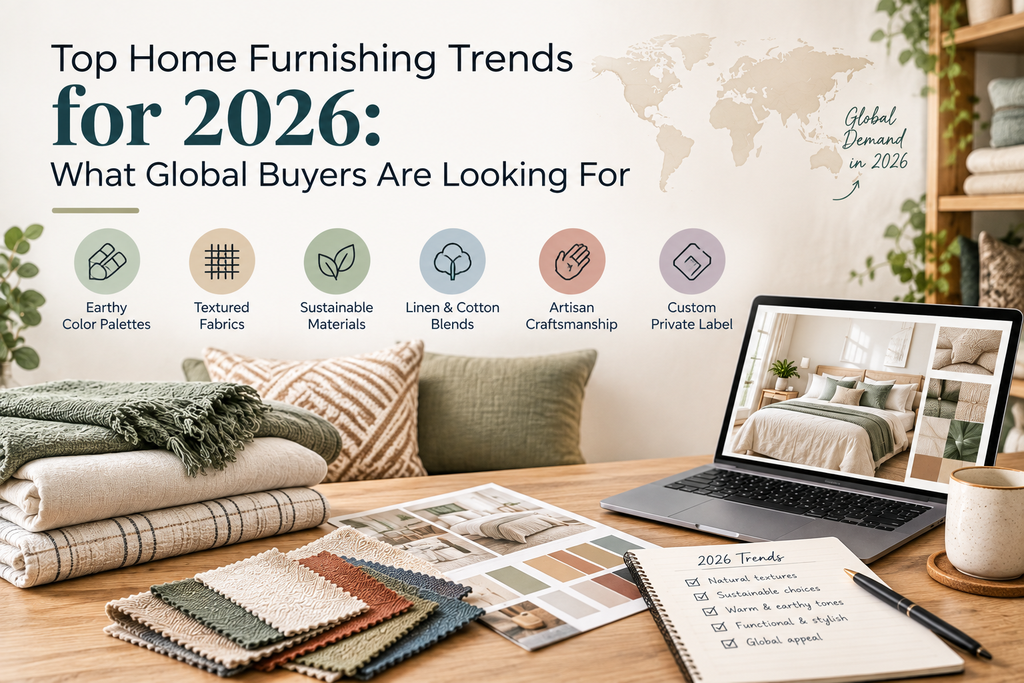
The global home furnishing market is changing as people around the world look for products that offer more than just a good appearance. Today’s consumers want their homes to feel comfortable, personal, and welcoming. At the same time, many people are paying greater attention to how the products they buy are made and the materials used to produce them.
In 2026, comfort, sustainability, quality, and personalization are expected to play an important role in home furnishing choices. For example, buyers are showing growing interest in natural fabrics, eco-friendly materials, durable products, and designs that match different lifestyles and interior styles.
These changing preferences are also influencing how retailers, importers, and brands source their products. Instead of focusing only on price, many global buyers are looking for reliable suppliers who can offer consistent quality, customization, sustainable options, and products that meet current market demands.
For manufacturers and exporters, understanding these changes is essential. The trends shaping the market in 2026 can help businesses make better product and sourcing decisions. In this article, we will explore the key home furnishing trends that global buyers are likely to focus on in 2026.
1. Sustainable and Eco-Friendly Home Furnishings
Sustainability is becoming an important factor in the global home furnishing market. Consumers are becoming more aware of environmental issues and are paying closer attention to the materials used in the products they buy.
As a result, many buyers are looking for home furnishing products made from natural, organic, recycled, or responsibly sourced materials. Cotton, organic cotton, linen, jute, and recycled fabrics are gaining attention in different markets.
Eco-friendly packaging is also becoming more important. Buyers may prefer suppliers who reduce unnecessary plastic and use packaging materials that are easier to recycle or reuse.
For importers and retailers, sustainable products can help meet changing customer expectations. However, quality and comfort remain equally important. A product should not only be environmentally responsible but should also be attractive, durable, and practical for everyday use.
In 2026, suppliers who can offer sustainable options along with reliable quality may have a stronger position in the international market.
2. Natural Fabrics Continue to Dominate

Natural fabrics are expected to remain popular in home furnishing products. Consumers often prefer materials that feel soft, comfortable, breathable, and pleasant to use in everyday life.
Cotton continues to be one of the most widely used fabrics for products such as bed sheets, cushion covers, towels, table linen, and other home textiles. Linen is also valued for its natural texture and premium appearance, while materials such as jute can add a rustic and natural look to home interiors.
For example, a simple cotton bed sheet may appeal to customers because it is comfortable, easy to use, and suitable for different climates. Linen cushion covers may attract customers looking for a more natural and premium interior style.
For global buyers, natural fabrics offer opportunities across different product categories and price ranges. The key is to choose the right material, construction, quality, and finish for the target market.
3. Neutral and Earth-Inspired Color Palettes

Color trends in home furnishing are moving toward calm, warm, and natural shades. Neutral colors such as beige, cream, sand, warm grey, and soft brown continue to work well because they can easily match different interior styles.
Earth-inspired colors are also gaining attention. Shades influenced by nature, such as terracotta, olive green, clay, and warm brown, can help create a comfortable and welcoming atmosphere.
One reason these colors are popular is their versatility. A beige cushion cover, for example, can work with many different furniture styles and wall colors. This makes neutral products easier for retailers to offer to a wider range of customers
For buyers and importers, creating collections around timeless colors can also help reduce the risk of products becoming outdated too quickly. Trend-based colors can still be included, but a strong collection often benefits from a foundation of versatile and long-lasting shades.
4. Texture Will Be as Important as Color
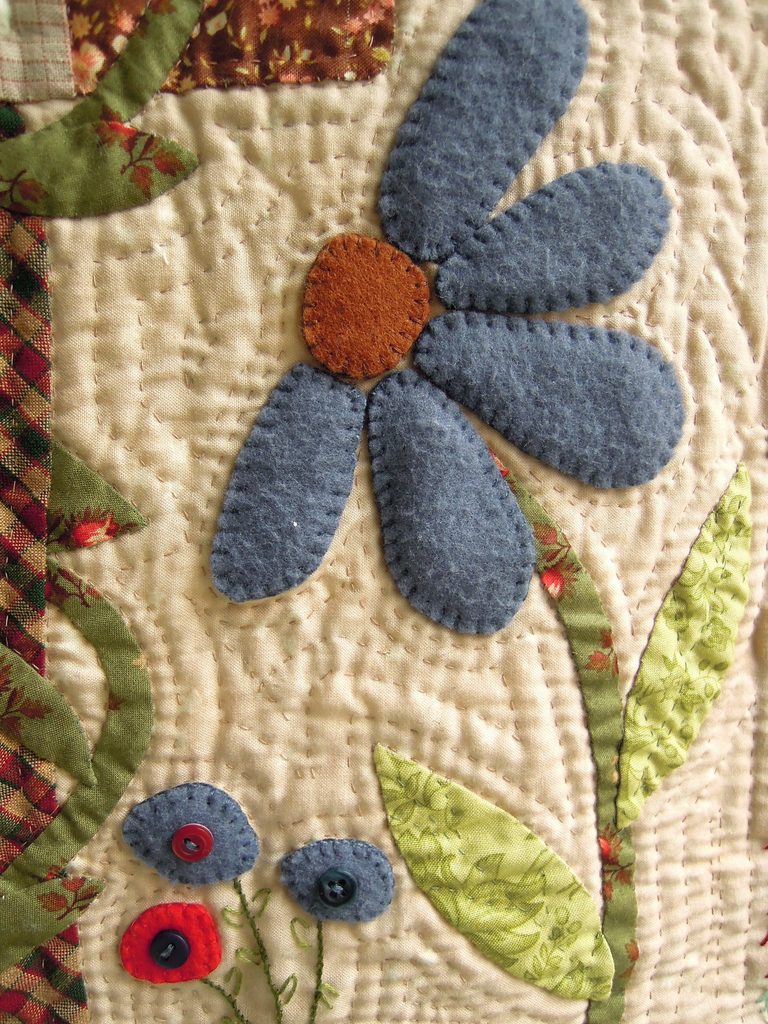
In 2026, texture is expected to play an important role in home furnishing design. Consumers are increasingly interested in products that not only look good but also feel interesting and comfortable.
Woven fabrics, embroidery, quilting, tufting, jacquard designs, and natural-looking textures can add character to a product. Even simple colors can look more attractive when combined with the right texture.
For example, a plain cushion cover may look simple, but a textured weave or subtle embroidery can give it a more premium and decorative appearance. Similarly, quilted bed covers can add both visual appeal and comfort.
For manufacturers and buyers, texture provides an opportunity to create unique products without always relying on bright colors or complicated prints. It can help make a collection look richer while still maintaining a simple and modern style.
5. Minimalist Yet Comfortable Designs
Minimalist design does not mean that a home has to look empty or boring. Modern consumers are increasingly looking for simple products that create a comfortable and relaxing environment.
Clean designs, simple patterns, soft colors, and functional products are becoming popular in many markets. Instead of purchasing too many decorative items, some consumers prefer fewer products that are well-designed and useful.
For example, a high-quality throw in a neutral color can be used as both a decorative item and a practical product for warmth and comfort.
For retailers and importers, simple and timeless designs can be a safer choice because they often appeal to a wide range of customers. Products with classic designs may also remain relevant for longer than highly seasonal or extremely trend-focused designs.
The focus in 2026 is likely to be on creating products that balance simplicity, comfort, and quality
6. Personalized and Custom Home Furnishings
Personalization is becoming increasingly important in the home furnishing industry. Consumers want products that reflect their personal style, while brands and retailers want collections that are different from their competitors.
This creates opportunities for customization at different levels. International buyers may require custom colors, sizes, designs, fabrics, labels, packaging, or complete private-label collections.
For example, a retailer may select a standard cushion cover design but request it in specific colors that match its brand or seasonal collection. Another buyer may require custom labels and packaging for products sold under their own brand name.
For manufacturers and exporters, the ability to offer customization can be a major advantage. Buyers increasingly value suppliers who can understand their requirements and help turn product ideas into finished collections.
7. Premium and Hotel-Inspired Home Textiles
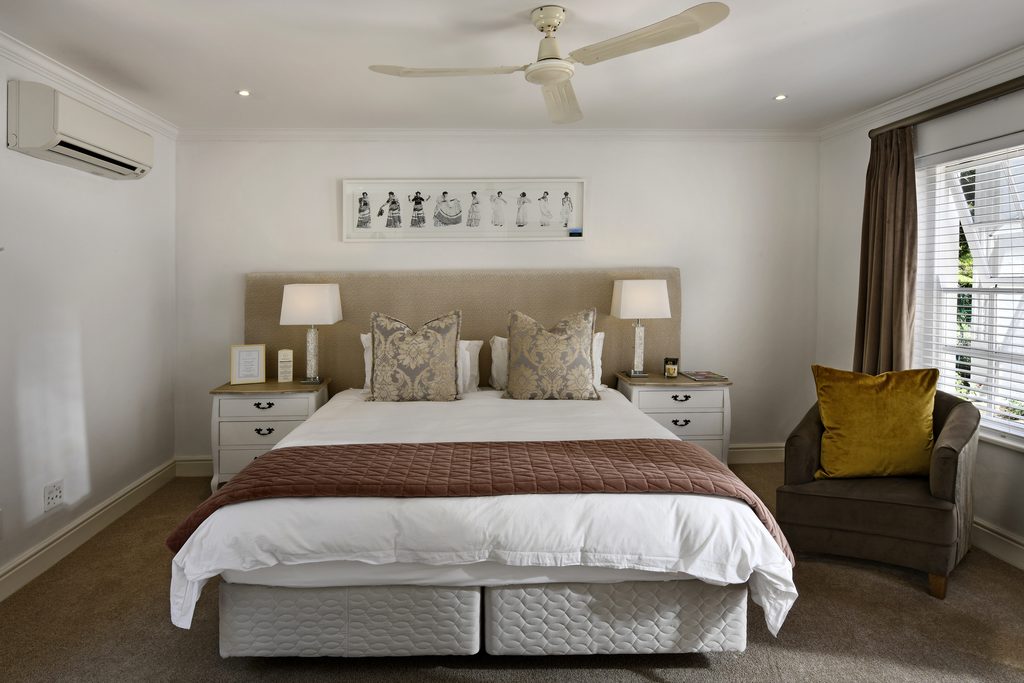
Many consumers are bringing the feeling of hotels, resorts, and spas into their homes. This has increased interest in comfortable and premium-looking bed linen, towels, blankets, and other home textile products.
Soft fabrics, good finishing, durability, and comfort are important features in this category. Customers often look for products that make everyday spaces feel more relaxing and luxurious.
For example, good-quality bed linen with a soft feel and neat finishing can help create a hotel-inspired bedroom experience. Similarly, thick and absorbent towels can provide a more premium bathroom experience.
This trend creates opportunities for both retail and hospitality buyers. Manufacturers who can maintain consistent quality and offer suitable product specifications can serve a growing range of customers in this segment.
8. Handmade and Artisan-Inspired Products
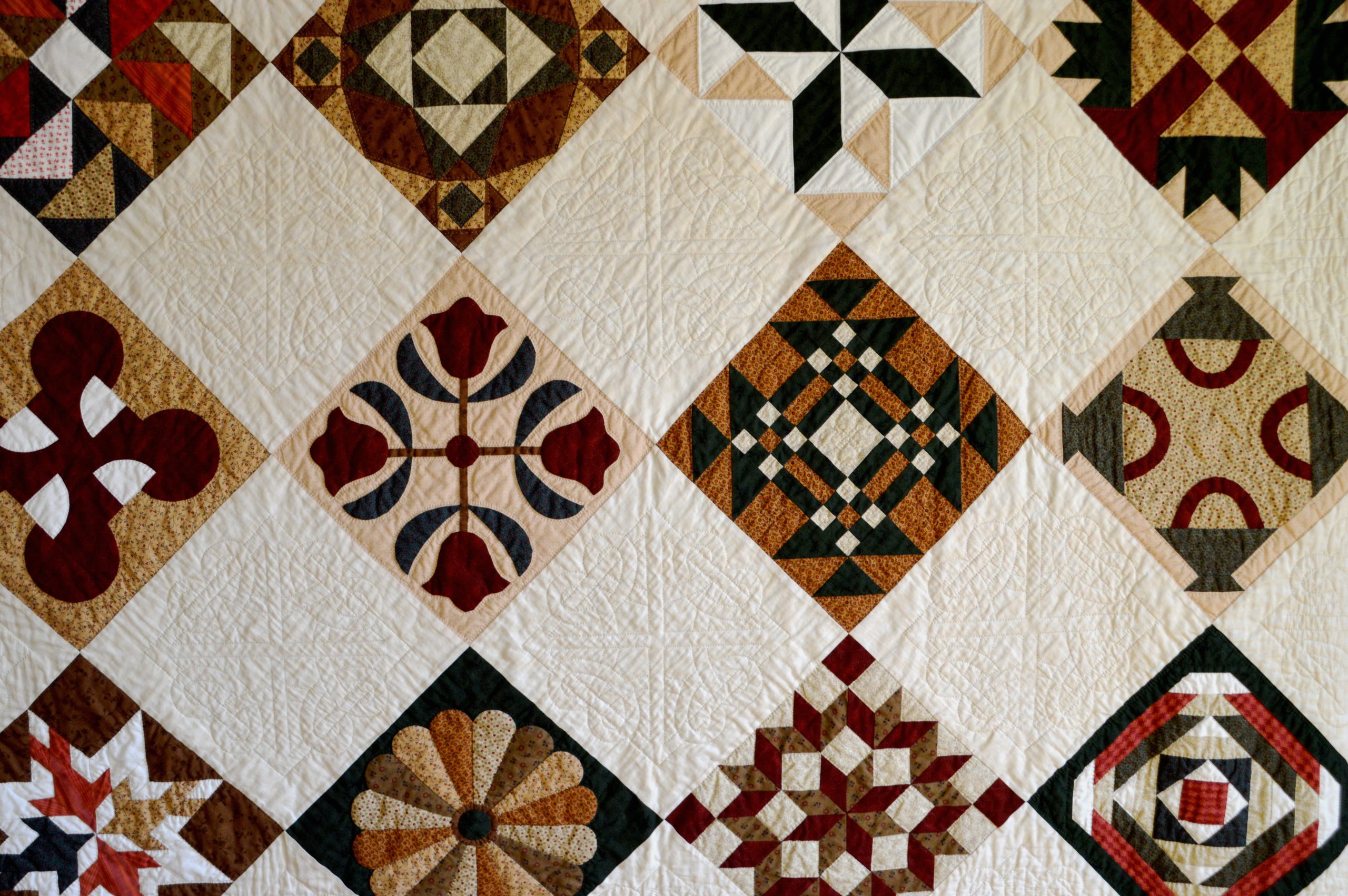
Handmade and artisan-inspired products continue to attract customers who want something unique and meaningful. Traditional craftsmanship can add character and a personal touch to modern home interiors.
Techniques such as hand weaving, embroidery, block printing, and other traditional textile methods can create products with a distinctive appearance.
India has a strong advantage in this area because of its rich textile traditions and skilled artisans. When traditional techniques are combined with modern colors and designs, they can appeal to international consumers looking for products that feel both authentic and contemporary.
For example, a traditional hand-block printed cushion cover can be developed in modern color combinations to suit current international interior trends.
For global buyers, artisan-inspired collections can help create a unique product offering that stands out from mass-produced designs.
9. Multi-Functional and Practical Home Furnishings
Modern consumers value products that are practical and easy to maintain. A product may look beautiful, but customers also want to know whether it is durable, easy to clean, and suitable for everyday use.
Machine-washable fabrics, durable constructions, easy-care materials, and reversible designs can add practical value to home furnishing products.
For example, a reversible quilt can offer two different looks in one product. A machine-washable cushion cover can be more convenient for families with children or pets.
For buyers, practical features can become an important selling point. Manufacturers should consider how products will be used in real homes and develop designs that combine appearance with everyday convenience.
10. Small-Batch and Curated Collections
Many retailers and brands are becoming more careful about inventory management. Instead of ordering very large quantities of many different products, some buyers are focusing on smaller, well-planned collections.
Curated collections can help buyers test new designs, colors, and product ideas before making larger commitments. Seasonal collections and limited-edition products can also create interest among consumers.
This approach may allow retailers to respond more quickly to changing market preferences.
For manufacturers and exporters, flexibility can become increasingly valuable. Buyers may prefer suppliers who can help them develop focused collections based on their target customers rather than simply offering a large number of unrelated products.
The goal is not always to offer more products. Sometimes, offering the right collection can be more valuable.
11. What Global Buyers Will Look for in a Home Furnishing Supplier in 2026
Product trends are important, but global buyers also pay close attention to the suppliers they work with. In 2026, a competitive supplier will need to offer more than just attractive products.
Here are some of the key qualities buyers are likely to look for:
Consistent Product Quality
Buyers need confidence that the quality of bulk orders will match the approved samples and agreed specifications.
Sustainable Product Options
Many buyers are looking for natural, organic, recycled, or responsibly sourced material options.
Customization Capabilities
The ability to provide custom designs, colors, sizes, labels, and packaging can help suppliers meet the specific needs of different brands.
Competitive and Fair Pricing
Price will always remain important, but buyers also consider the overall value they receive in terms of quality, service, and reliability.
Reliable Production Timelines
Timely production and delivery are important for retailers and importers who need to manage seasonal collections and inventory.
Good Communication
Clear and timely communication can make the sourcing process easier and help avoid misunderstandings.
Professional Packaging
Good packaging helps protect products during transportation and also supports a better customer experience.
Flexibility
Suppliers who can adapt to changing requirements and support product development may be more valuable to long-term buyers.
12. Why India Will Continue to Be an Important Home Textile Sourcing Destination

India continues to be an important sourcing destination for home furnishing and textile products. The country has a strong textile industry, skilled workers, access to a wide range of materials, and a long history of textile craftsmanship.
Indian manufacturers produce a wide variety of products, including bed linen, cushion covers, curtains, table linen, towels, throws, and decorative home textiles.
Another important advantage is the ability to combine traditional craftsmanship with modern manufacturing. This allows buyers to source both contemporary products and artisan-inspired collections.
India also offers opportunities for customization. International buyers can work with manufacturers to develop products based on specific designs, colors, sizes, and branding requirements.
For global importers, the right Indian supplier can provide a combination of product variety, manufacturing capabilities, craftsmanship, and export experience.
13. How Abhishek Exports Can Support Global Buyers
As global home furnishing trends continue to change, buyers need suppliers who understand both product quality and market requirements.
Abhishek Exports works in the home furnishing and textile export industry, serving buyers looking for products from India for international markets. The ability to understand buyer requirements, maintain product quality, and support product development is important when working with customers across different countries.
Global buyers may have different requirements based on their market, customers, and brand positioning. This is why communication and understanding product expectations are essential throughout the sourcing process.
Whether a buyer is looking for home furnishing products, textile collections, or customized requirements, working with a reliable export partner can help make sourcing easier and more efficient.
Conclusion
The home furnishing market in 2026 will continue to be shaped by changing consumer expectations. Sustainability, natural materials, comfort, personalization, quality, and practical design are likely to remain important factors for buyers around the world.
For retailers, importers, and brands, understanding these trends can help in developing product collections that meet current and future market needs.
At the same time, choosing the right supplier will remain an important part of successful sourcing. Buyers need partners who can offer reliable quality, clear communication, flexibility, and products that match changing market preferences.
As the global home furnishing industry continues to evolve, businesses that focus on quality, innovation, sustainability, and customer needs will be better prepared for the opportunities ahead.
Looking for a reliable home furnishing and textile export partner from India? Contact Abhishek Exports to discuss your product requirements and sourcing needs.